

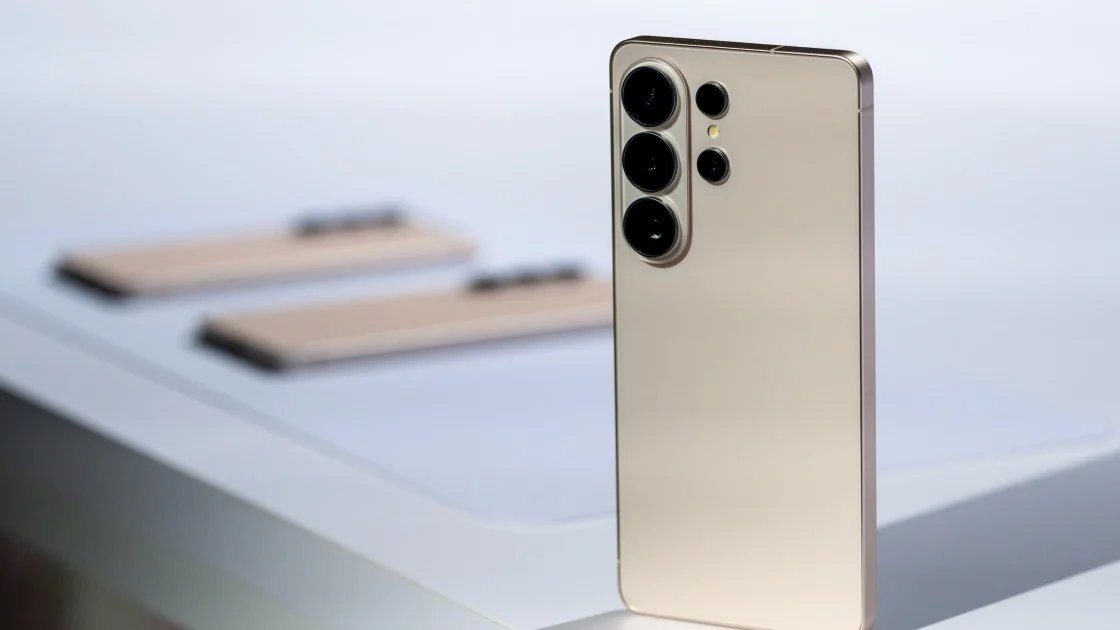
The memory shortage is so serious that smartphone shipments are projected to experience their largest year-over-year decline ever.
Research firm IDC forecasts a 12.9% drop in smartphone shipments for 2026, citing worsening supply of memory chips as AI giants hoard inventory for their data center projects.
“This is the largest decline ever as a result of the ongoing memory crisis—which will hit the industry like a tsunami and leave it significantly altered,” warns IDC analyst Nabila Popal.
Samsung Galaxy S26 Ultra First Look: The AI Powerhouse Plus a New Display
Smartphone vendors are still projected to ship 1.12 billion units worldwide, so plenty of products will remain on the market. Nevertheless, the shortage has caused prices, especially for RAM, to skyrocket, which is expected to result in more expensive Android phones and fewer budget devices, thus sapping consumer demand. IDC is projecting the average selling price for smartphones will rise 14% this year to reach a record $523.
(Credit: IDC)
“We expect consolidation as smaller players exit, and low-end vendors face sharp shipment declines amid supply constraints and lower demand at higher price points,” Popal adds.
That said, the impact will be larger outside the US, where lower-tier Android phones are more prevalent. The Middle East and Africa will face the “steepest drop at 20.6%” year over year, while the decline in China is expected to reach 10.5%.
Interestingly, Apple and Samsung, the leading smartphone makers, might benefit from the memory shortage, as they can weather rising costs and expand, while smaller Android vendors will need to rein in their businesses, IDC says. Samsung is also a major memory supplier.
For 2027, IDC projects only a moderate recovery, with smartphone shipments increasing year over year by 1.9%. Only in 2028, when memory supplies are expected to improve, will the smartphone market see a more substantial recovery. But even by 2030, smartphone shipments will still fall short of the 1.26 billion shipped in 2025.
Recommended by Our Editors
Rival research firm Gartner also expects smartphone shipments to decline at a similar rate of 8.4% year-over-year for 2026. Shipments for PCs are also forecasted to drop 10.4% this year.
“This is the steepest contraction in device shipments witnessed in over a decade,” Gartner analyst Ranjit Atwal says. “Higher prices will narrow the range of devices available, prompting buyers to hold on to devices for longer, fundamentally altering upgrade cycles.”
He also predicts that the “sub-$500 entry-level PC segment will disappear by 2028,” due to the memory costs forcing PC manufacturers to prioritize more expensive products.
Get Our Best Stories!
A Smart, Bold Take on the Wireless World
Sign up for the Fully Mobilized newsletter to get our top mobile stories delivered right to your inbox.
Sign up for the Fully Mobilized newsletter to get our top mobile stories delivered right to your inbox.
By clicking Sign Me Up, you confirm you are 16+ and agree to our Terms of Use and Privacy
Policy.
Thanks for signing up!
Your subscription has been confirmed. Keep an eye on your inbox!
About Our Expert
Michael Kan
Senior Reporter
Experience
I’ve been a journalist for over 15 years. I got my start as a schools and cities reporter in Kansas City and joined PCMag in 2017, where I cover satellite internet services, cybersecurity, PC hardware, and more. I’m currently based in San Francisco, but previously spent over five years in China, covering the country’s technology sector.
Since 2020, I’ve covered the launch and explosive growth of SpaceX’s Starlink satellite internet service, writing 600+ stories on availability and feature launches, but also the regulatory battles over the expansion of satellite constellations, fights with rival providers like AST SpaceMobile and Amazon, and the effort to expand into satellite-based mobile service. I’ve combed through FCC filings for the latest news and driven to remote corners of California to test Starlink’s cellular service.
I also cover cyber threats, from ransomware gangs to the emergence of AI-based malware. Earlier this year, the FTC forced Avast to pay consumers $16.5 million for secretly harvesting and selling their personal information to third-party clients, as revealed in my joint investigation with Motherboard.
I also cover the PC graphics card market. Pandemic-era shortages led me to camp out in front of a Best Buy to get an RTX 3000. I’m now following how President Trump’s tariffs will affect the industry. I’m always eager to learn more, so please jump in the comments with feedback and send me tips.
Read Full Bio
